


Bowline, clove hitch, alpine butterfly, figure 8 on a bight and double fisherman's - the knots that earn their keep backstage.
Rigging · Field guide
Updated 22 Jun 2026
Rigging
Knots & rope
Common rigging knots, and what each costs you.
Five knots worth knowing backstage - and the one rule that outranks all of them: every knot you tie hands some of the rope's rated load back. Here is which knots earn their keep, and what each one costs.
Form a loop, tie off a hauling line, join two ropes, put a loop mid-rope. Each has a job, and each has a catch.
Every knot lowers a rope's load limit. Reckon on 20% to 40% gone, depending on the knot.
For rated picks that hold a real load, knots give way to engineered terminations. When in doubt, get it checked.
Any time a knot is tied into a rope, it reduces its load-limit capacity. The only real question is by how much - so you plan for the worst case, not the best.
Five knots that earn their keep.
These are the knots you will actually meet backstage, each tied for a reason. Every card below has the same three things: what the knot is for, what to watch, and the figure that matters most - roughly how much of the rope's rated load that knot quietly costs you.
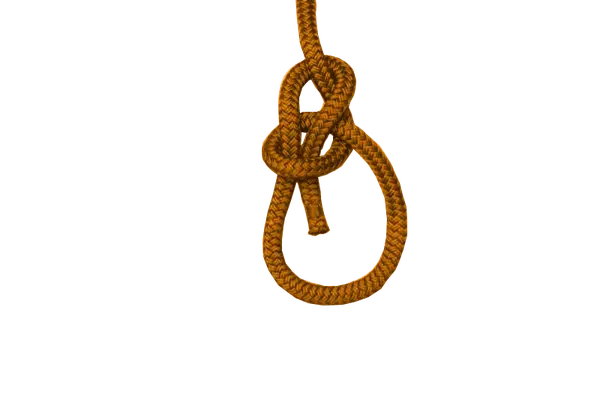
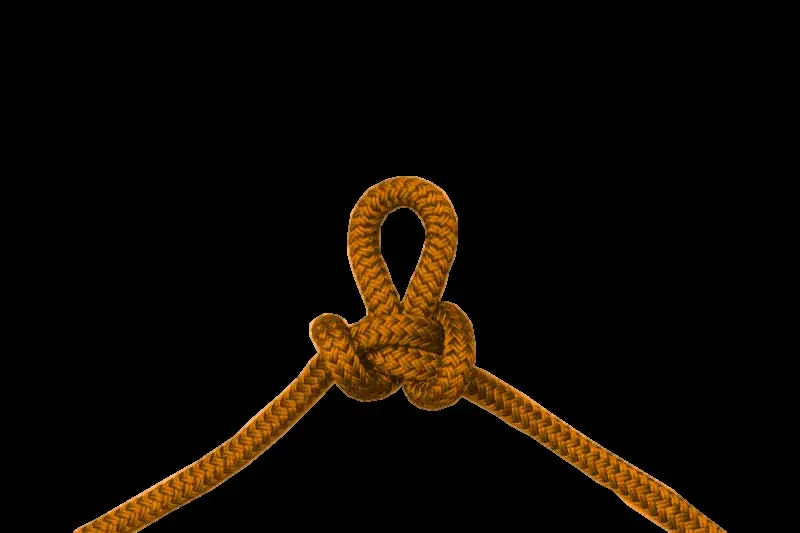
01Bowline
30%load lostA reliable loop in the end of a rope. It does not bind tight under a large load, so it frees by hand after a heavy lift. Watch-out: left slack and unloaded, a bowline can work itself loose.
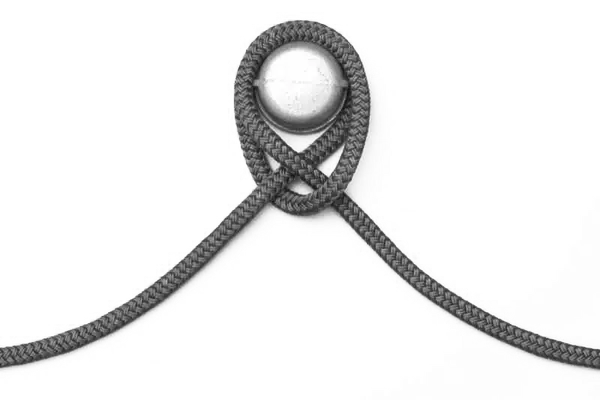
02Clove hitch
40%load lostTwo successive half-hitches around an object - the go-to for quick jobs like tying off a hauling line. Watch-out: if it will be left unattended, add a half hitch at the end so it cannot loosen or unravel over time.

03Alpine butterfly
25%load lostA secure loop in the middle of a rope, the way a line of hikers clip onto one shared rope. It still comes undone without a fight even after a heavy load has come off it.
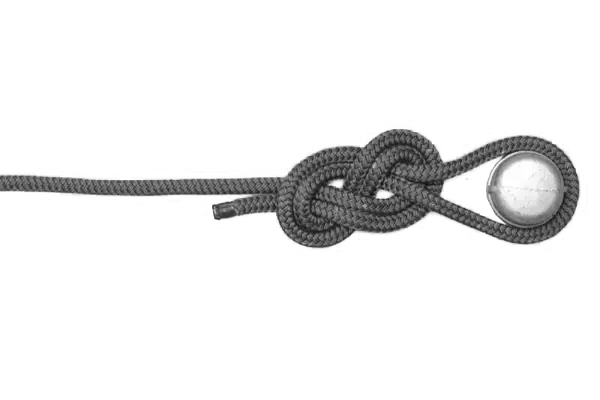
04Figure 8 on a bight
20%load lostPuts a loop on the end of a rope, fast. It does not bind as hard as the others under heavy load, which is also why it keeps the most strength of the five.
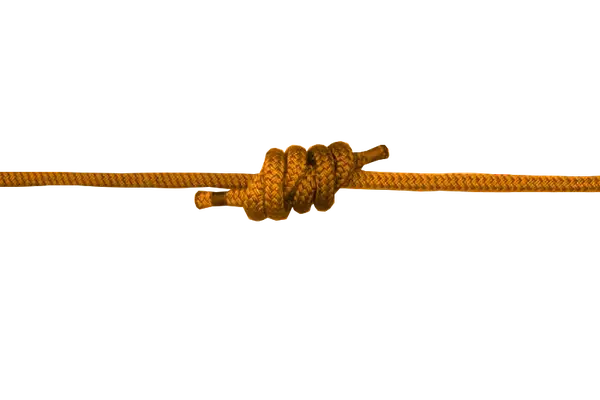
05Double fisherman's
35%load lostJoins two ropes into one strong line, and forms the loop for a prusik. Watch-out: under a heavy load it can lock up so tightly it is effectively welded, and a struggle to undo.
Every knot is a load you give back.
A rope is rated for a load, but the moment you tie a knot in it, the rope bends sharply through the knot and gives some of that capacity back. Here are the five side by side, from the knot that keeps the most strength to the one that costs the most.
Figure 8 on a bight20%
Alpine butterfly25%
Bowline30%
Double fisherman's35%
Clove hitch40%
The figures are approximate and shift with the rope, the diameter and the conditions, so build your margin on the worst case, not the best. A 2-tonne rope is not a 2-tonne rope once it is knotted. On anything that genuinely holds a load - over people, over kit, over a show - riggers leave the rope's rating intact and reach for engineered terminations instead. That is the next part of the story.
Knots get you through the day. We keep the rope honest.
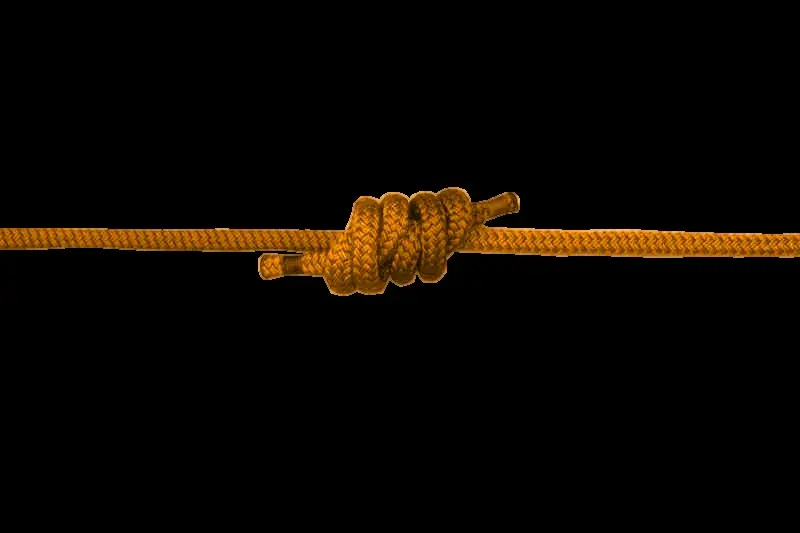
Knowing your knots is part of the craft. Knowing when a knot is not enough is the rest of it. The rope and rigging holding your show up wear out, and a frayed, sun-tired or damaged rope quietly gives back even more than the figures above.
That is the part we look after. Our service team checks your rigging and rope, flags the gear that is past it, and keeps the kit over your stage rated and documented. Book a Venue Systems Health Check and we will tell you what is still safe to trust. Damaged rope does not announce itself - it lets go at the worst moment.
Tie the knots. We will keep the rigging honest.
Not sure your rigging is still rated to hold?
Talk to the team
Explore the range
Get your rigging and rope checked.
Tell us about your venue or rig and we will get the right person to look at it - rope, slings, hoists and fixings - and tell you what is still rated and what needs to go. Australia wide.
Start a conversationLifting & rigging.
Rope, slings, hoists, controllers and consumables - stocked, tagged, and certified under one roof.
Browse rigging at TSA