


Inspect. Repair. Stay compliant.
A 12-month inspection cycle for your stage drapes. Flame retarded to AS 1530 standards, repaired and retreated in-house, and signed off in a written report your auditor and insurer accept. Australia wide.









































Spec your drape
before you call.
Answer five quick questions. The Drape Selector matches the fabric, fullness and opening style to your venue, then turns it into a PDF spec routed straight to our soft-goods team.
Spec drapes, hoists and venues with all our configuration tools →

One visit a year.
One report you can defend.
The drapes are showing wear and you are not sure they are still rated. The audit is coming, the insurer wants the paperwork, and the last person who knew when these were checked has left the venue. We inspect every drape from any supplier, check it is flame retarded to AS 1530 standards, fix what we can on the spot, and hand back a written report.
It is the soft-goods module of the Venue Systems Health Check - a 12-month default cycle, graded against documented discard criteria, with the next inspection diarised before we leave. Failed or borderline stock routes straight to FR treatment.
- Cycle
- 12 months
- FR standard
- AS 1530
- Grades
- A / B / C
- Deliverable
- Report
12.0 x 7.0 m
- Condition
- Pass, light wear
- FR status
- AS 1530 Current
- Repair
- Header re-stitched on site
- Action
- Re-inspect in 12 months
Four reasons to book the visit.
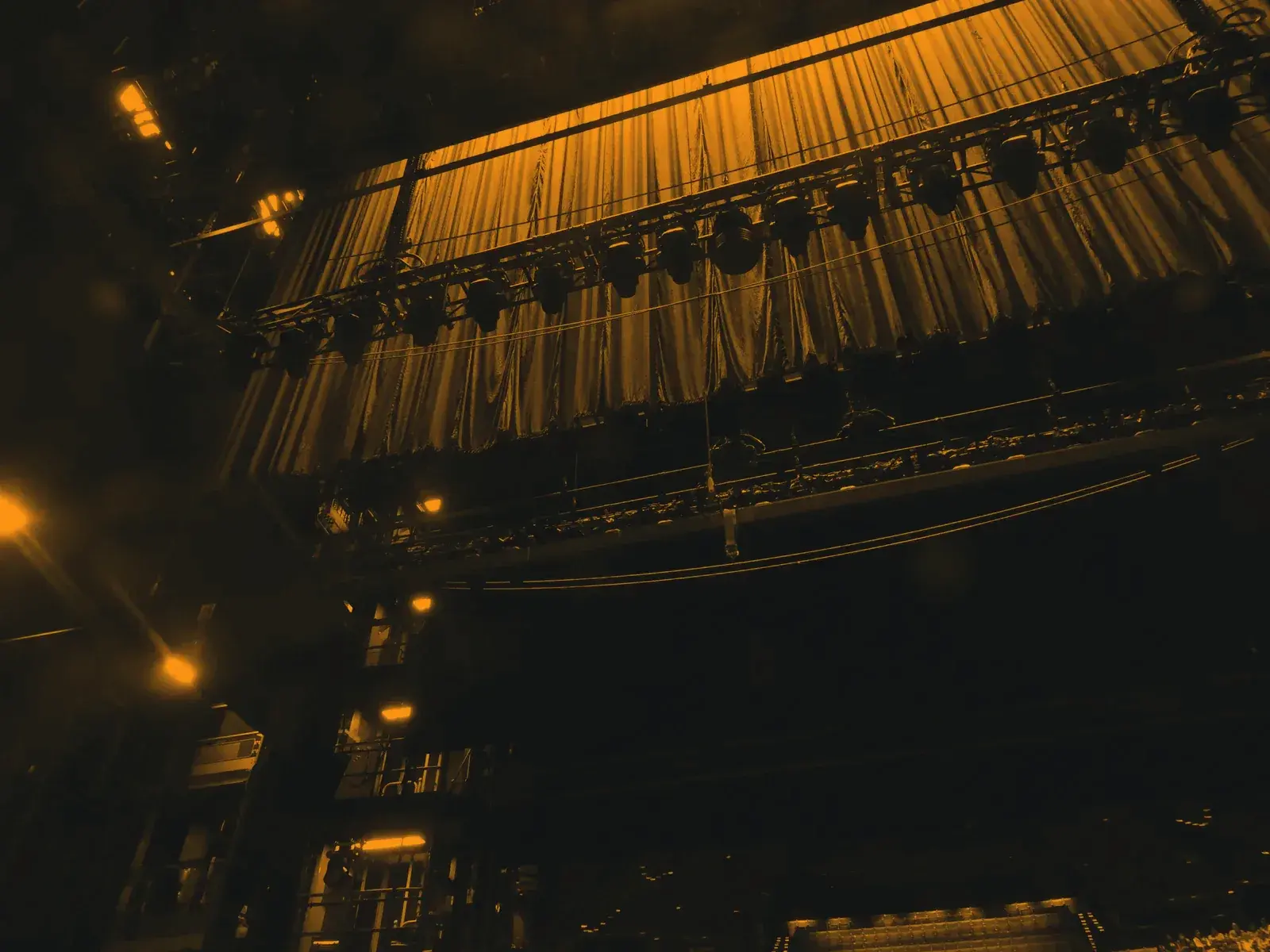
Every drape.
Every visit.
A drape fails in one of four places: the cloth, the stitching and hardware, the fire rating, or the paperwork. Each visit walks all four and grades what it finds against documented discard criteria.
Condition grades run A (good), B (light wear) and C (serviceable but worn) for a pass; a fail carries a rectification timeframe. Every drape is logged against the venue asset register so condition is tracked year on year.
The cloth, end to end.
Thinning, abrasion and light damage across the body of every drape. Edge tears and progressive fraying that will fail mid-show. UV fade, water staining and chemical discolouration. Pleat collapse, fullness loss and header pull - the telltales of fabric fatigue.
What takes the load.
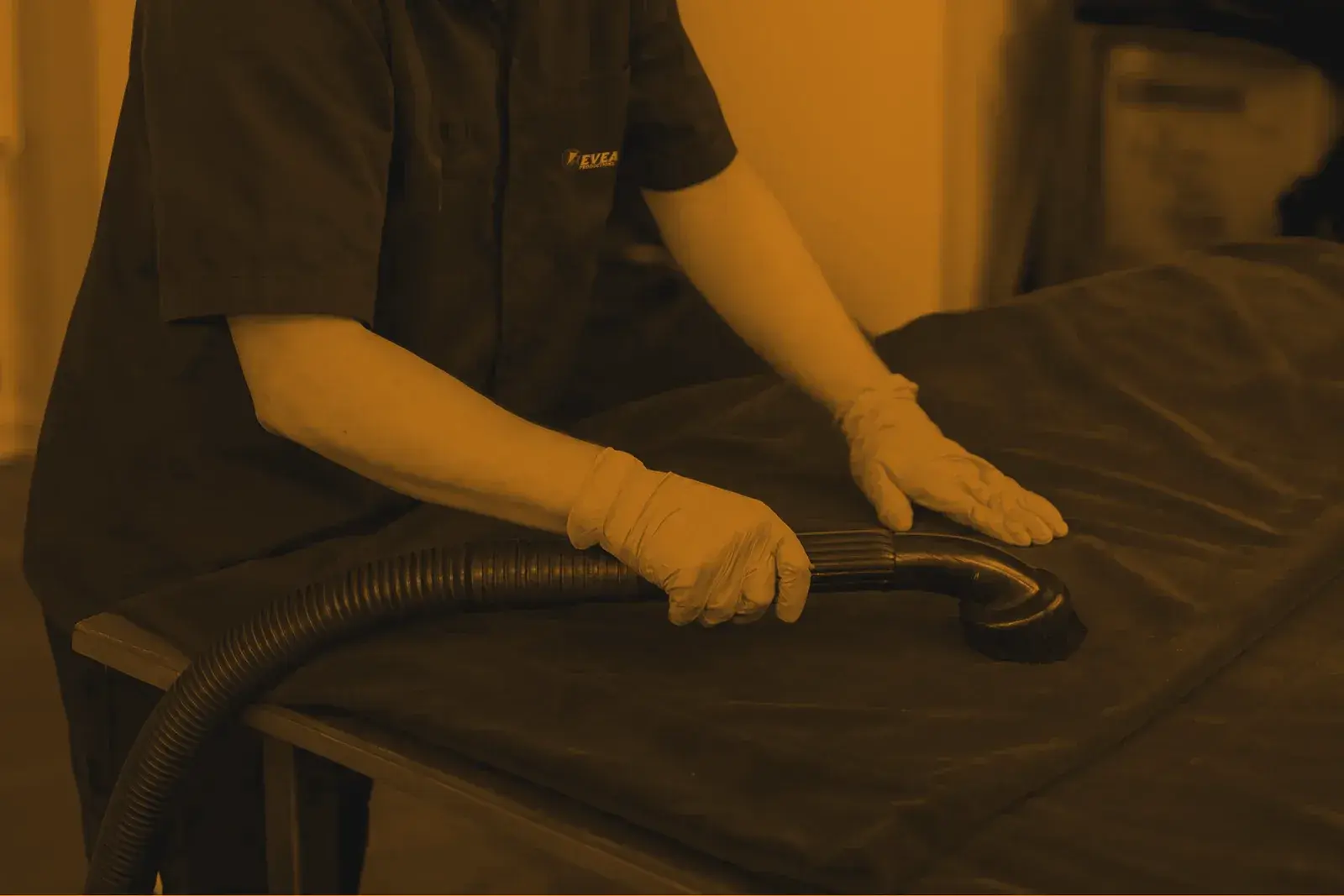
Frayed seams, failed stitching, header tape and webbing, repaired on site where we can. Grommets, ties, chain pockets and header hardware, and every rigging point that carries load through the drape. The fixes that stop a quiet fault becoming a dropped drape.
Still rated, or not.
Visual indicators that a drape needs FR retreatment - salt-tide marks at the hem, evidence of a wet event, a treatment past its window. Where the assessment flags it, full retreatment and recertification to AS 1530 standards run through our FR Treatment Service.
The paperwork that defends you.
Every drape identified, dimensioned and logged against the venue asset register, so condition carries from one annual report to the next. The written report lists each drape, its grade, FR treatment status, repairs done on the day, and the next inspection date - fit for audit and insurance.
Anything that fails comes back with a fix or a route forward - on-site repair, workshop remake, or FR retreatment. The report carries the numbers; the call stays with you. Repair and refurbishment detail from the workshop bench sits on the Reveal Productions maintenance page.
Kept audit-ready,
year on year.
Soft goods inspected, repaired and re-certified in our in-house Melbourne workshop, backed by the scale of TSA.
See all projects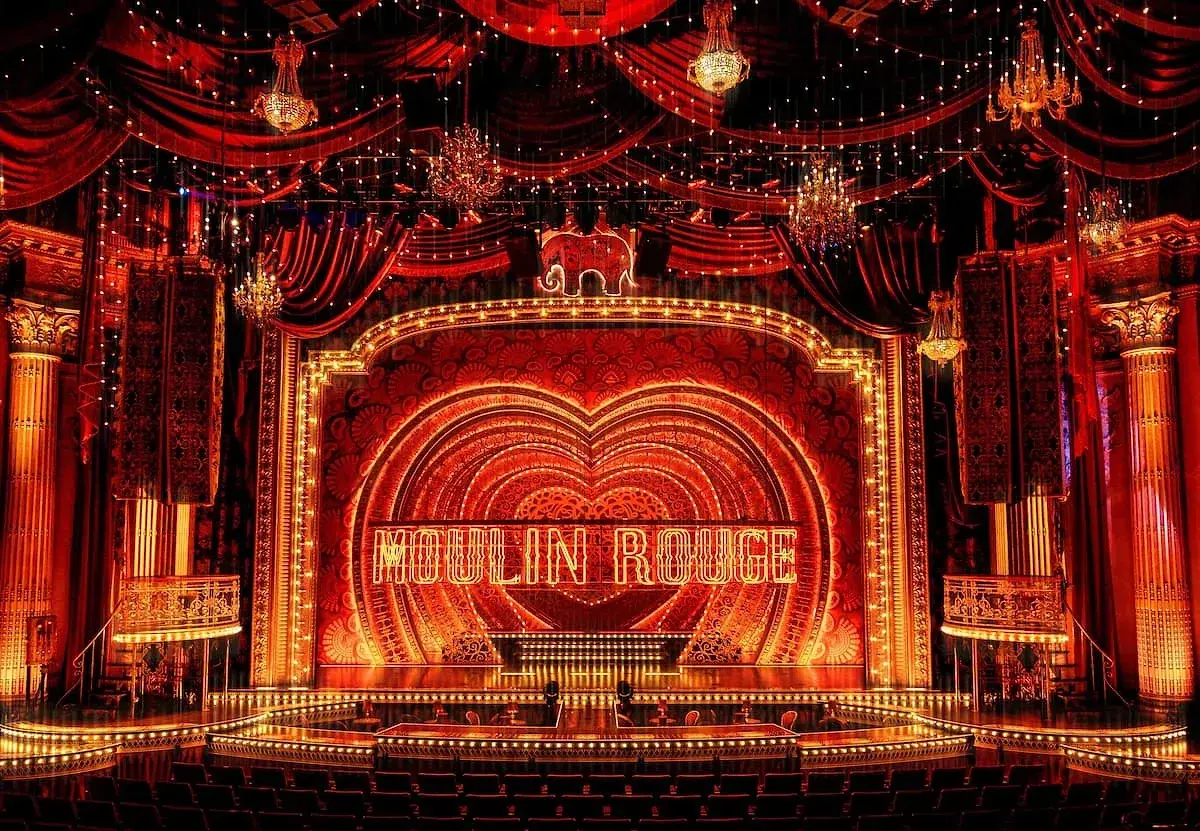
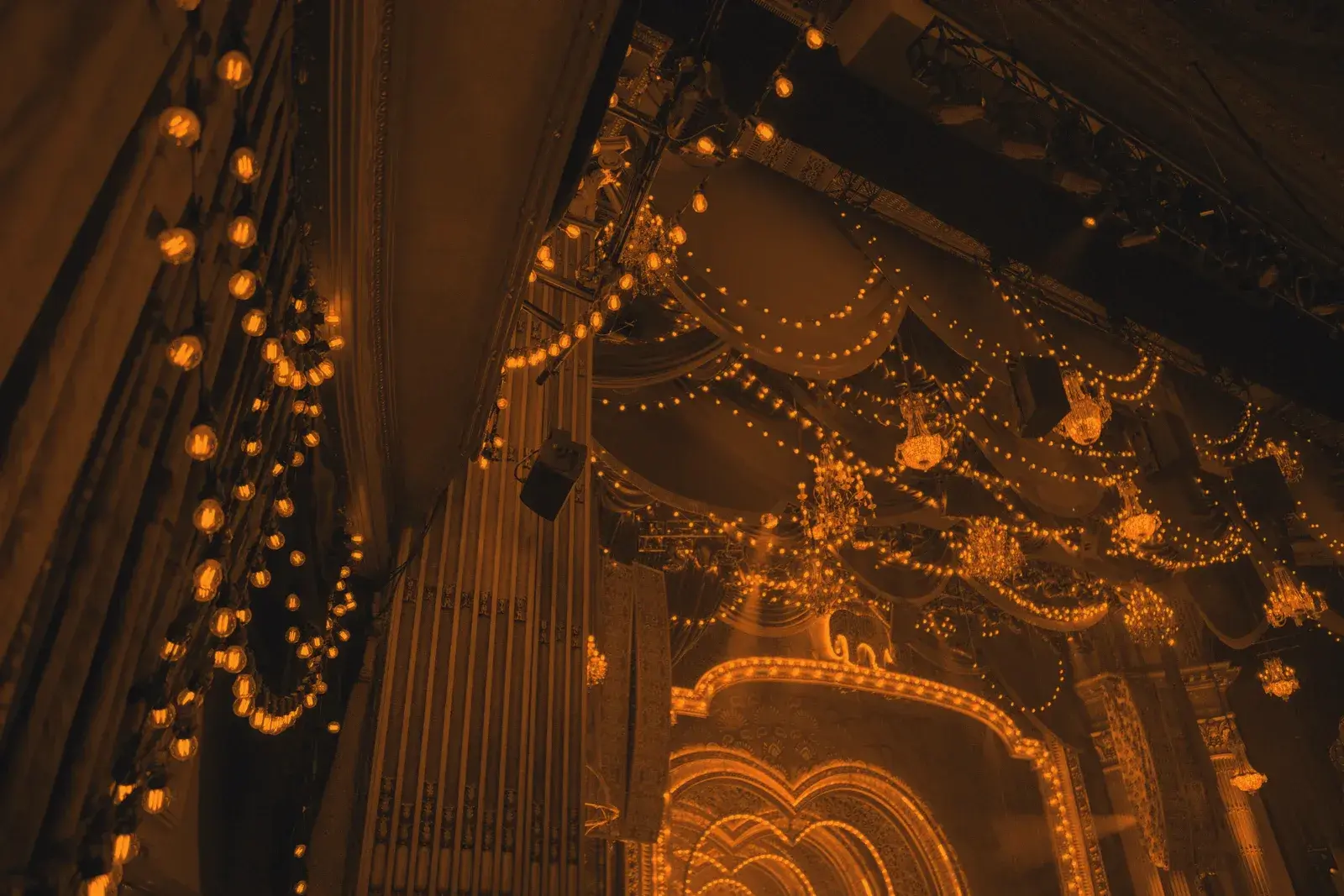
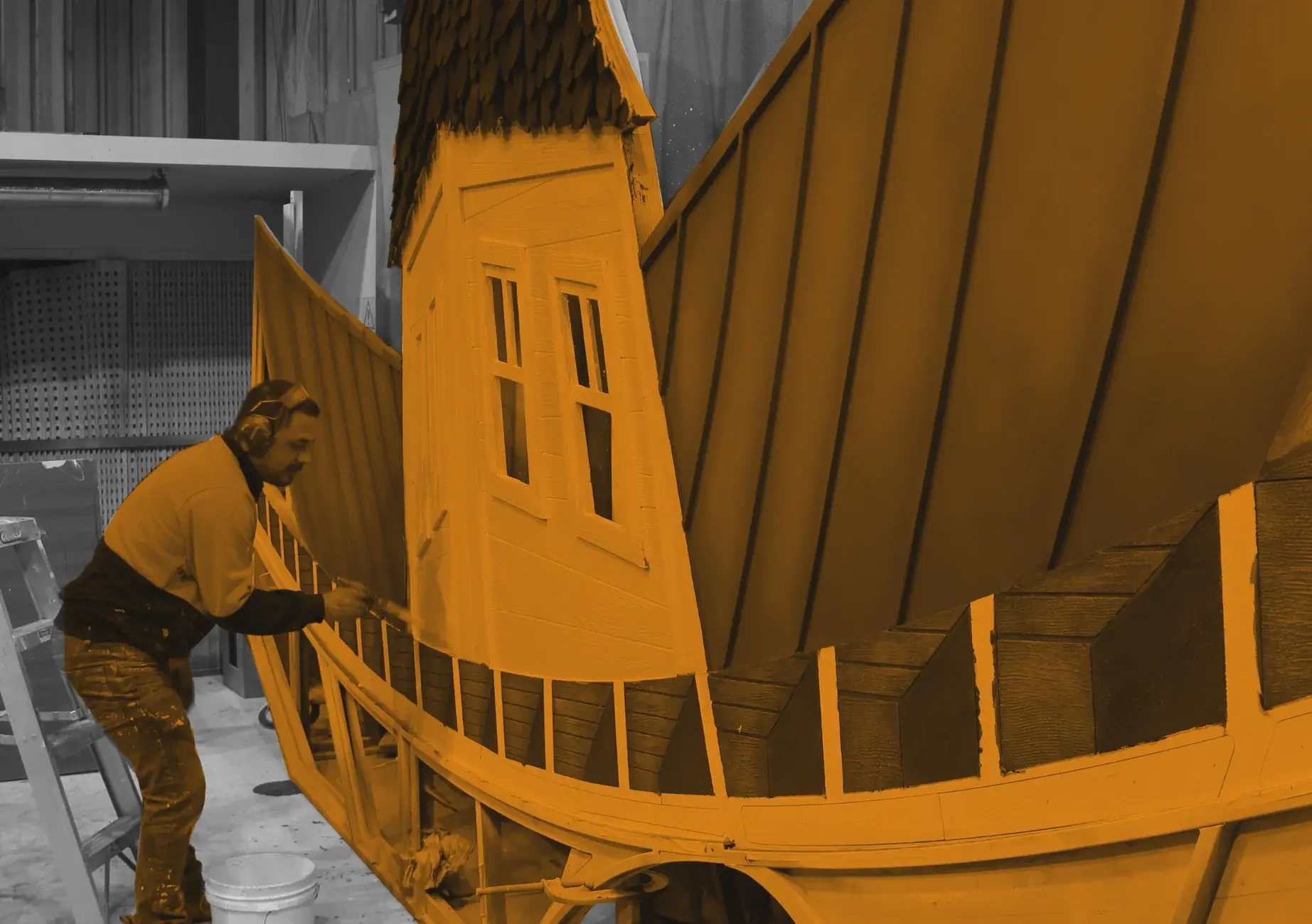
Moulin Rouge! The Musical: the set, the electrics and every soft good, built in-house.
Reveal Productions manufactured every drape, banquette and piece of soft scenery for Moulin Rouge! The Musical - delivered in-house through 18 months of Melbourne lockdowns.
Read the project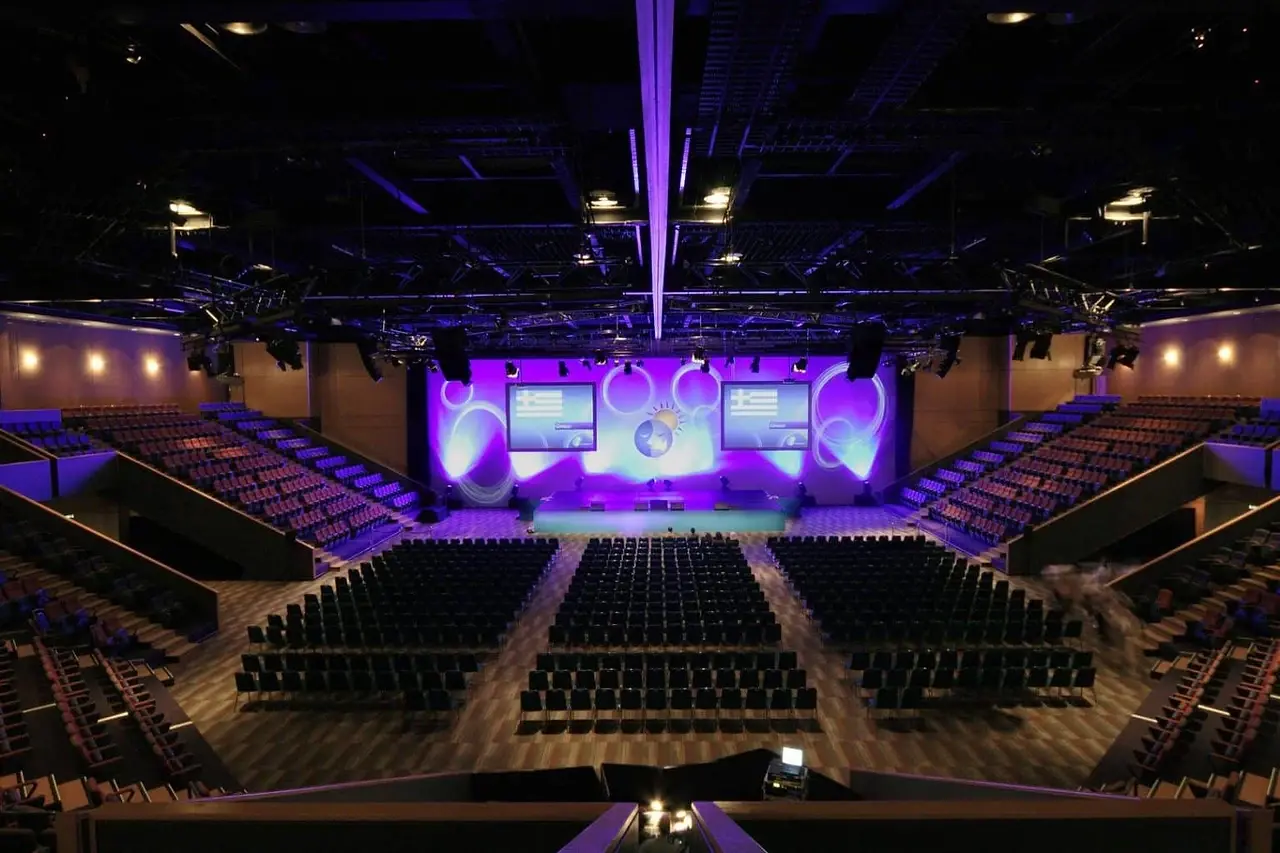
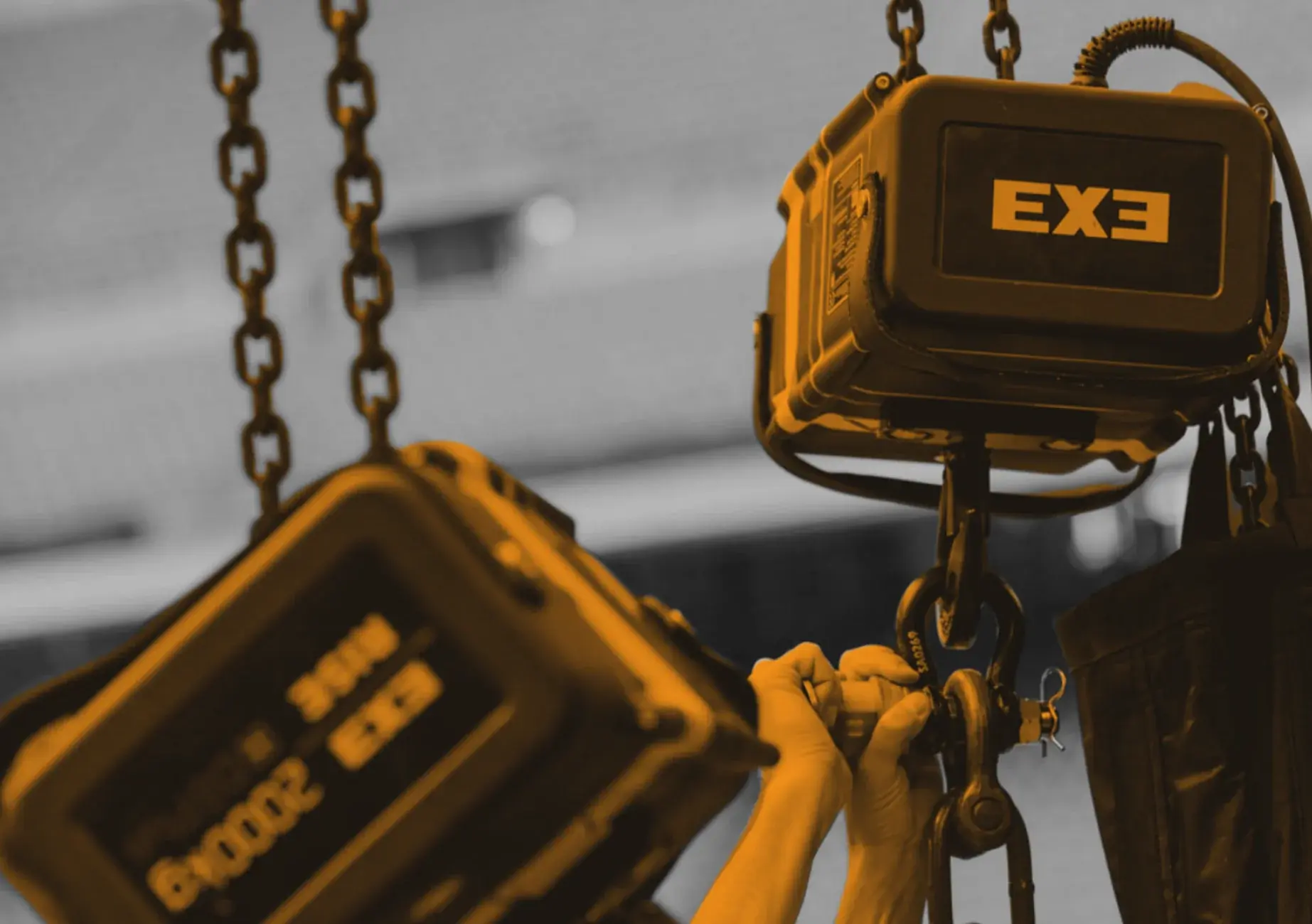
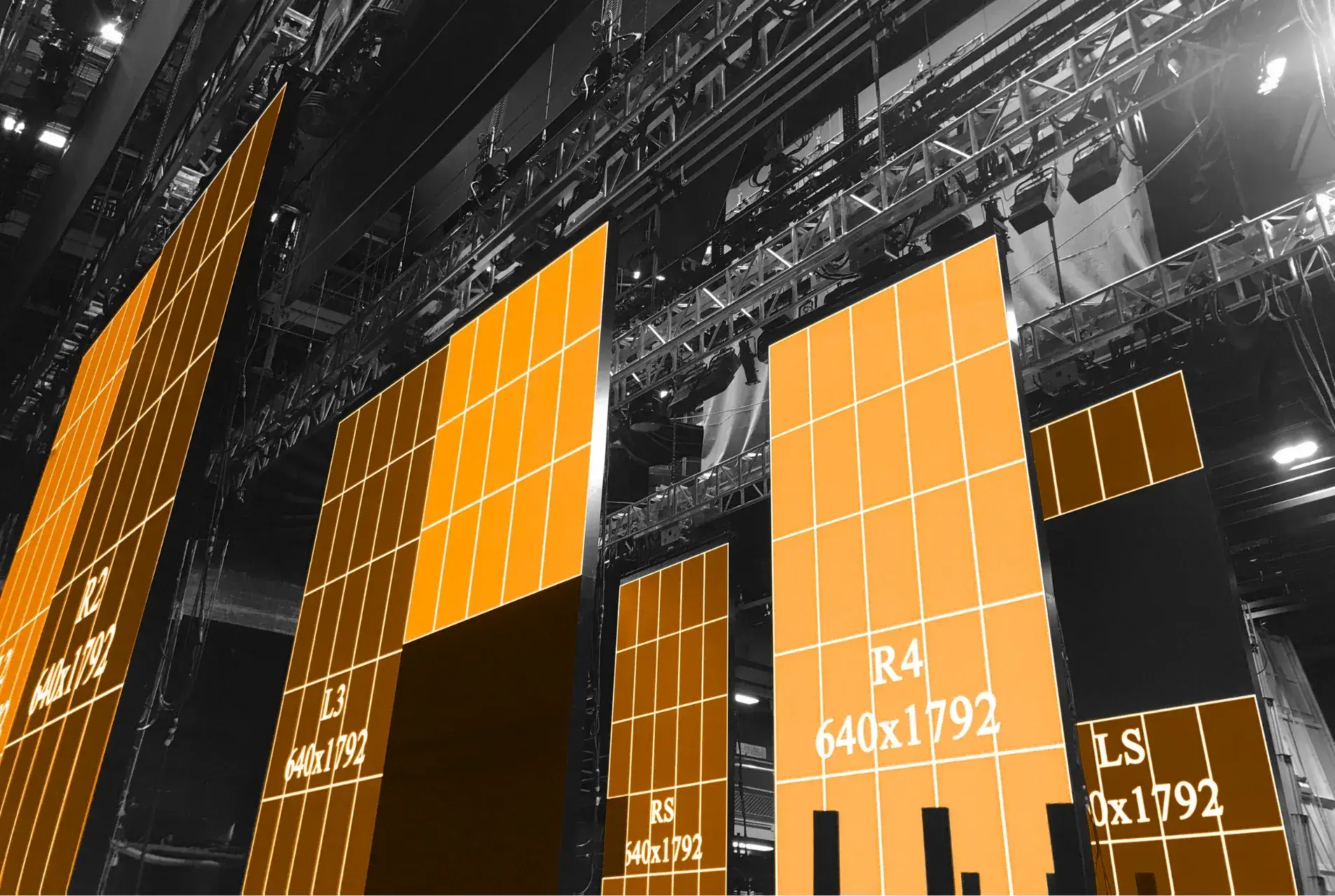
Cairns Convention Centre: 36 hoists, one ceiling, every brief accepted.
36-axis EXE Rise hoist array, 42 metres of five-chord box truss, and a Raynok control desk - the turnkey overhead rigging system that lets the Great Hall take every brief that walks in.
Read the project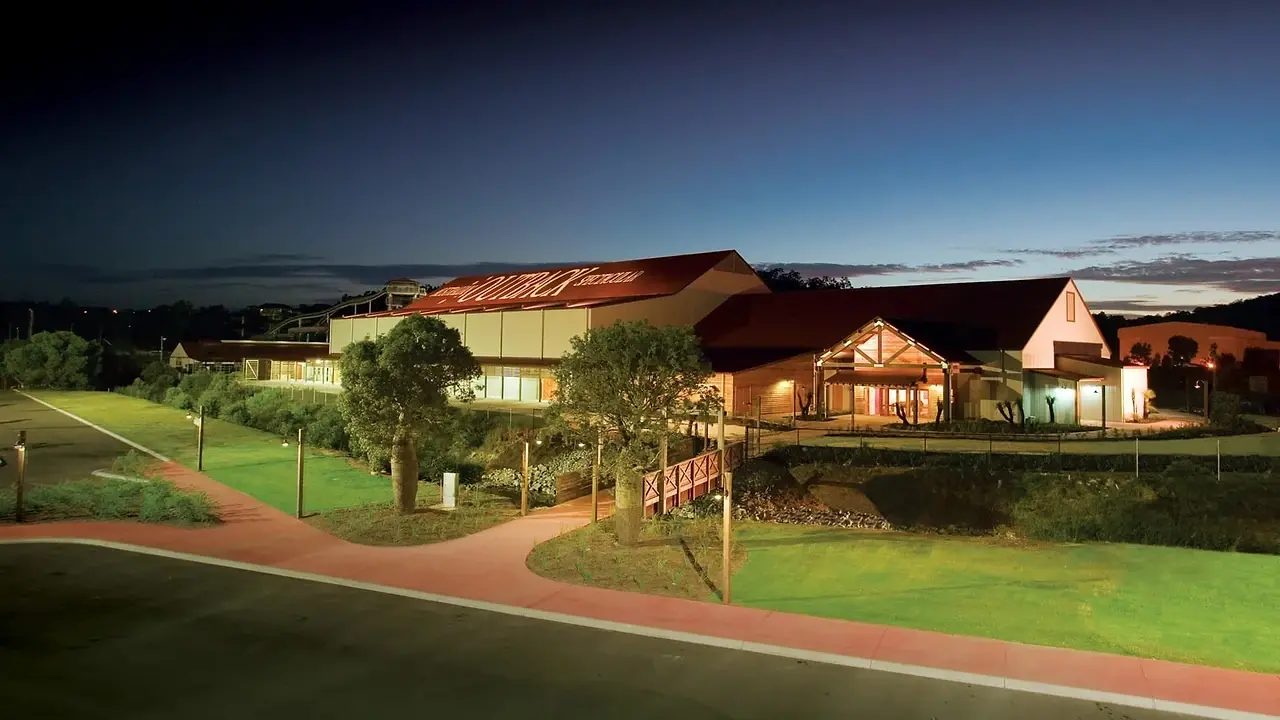
Australian Outback Spectacular: 4,000 shows. Five flying rigs. Zero missed cues.
Seven-plus years servicing five performer flying rigs and the full stage automation system at Australian Outback Spectacular - 4,000-plus shows, zero missed cues.
Read the projectThree PDFs, sent to your inbox.
The bits people always ask.
If we missed yours, send it through. We'll get back to you.
A 12-month cycle is the default for stage drapes and soft goods. High-use stock - touring rigs, school venues running back-to-back productions, drapes exposed to moisture or paint - should be checked sooner. We set the schedule with you at the first visit.
Yes. We inspect, check the FR treatment status, and report on any stage drape regardless of where it was originally supplied. The benchmark is AS 1530 standards - the report states whether each drape's treatment is current, and what to do if it is not.
A written, dated report listing every drape inspected, its condition, FR treatment status against AS 1530 standards, any repairs completed on the day, and the recommended next inspection date. Fit for audit and insurance.
Maintenance is the annual cycle - inspect, repair, clean, report. FR treatment is the chemical retreatment of drapes whose treatment has lapsed or that have been washed or exposed to moisture. Maintenance triggers retreatment when it’s needed; the two services run together.
Both. Stitching, hardware swaps, small tears and FR treatment checks happen on site during the visit. Bigger repairs, cleaning, and retreatment go back to our in-house workshop and return to you certified and documented.
The report flags it, we cost the retreatment or repair against the cost of replacement, and you decide. Lapsed stock should not stay in service - the report gives you the evidence to act on it.
Book the visit.
Get the paperwork.
Annual inspection, FR retreatment, repairs and a written report - one cycle, one provider, Australia wide.